
Homestead growers
Homestead growing: start where you are
You do not need a storybook smallholding to build a more productive, self-reliant patch of home.
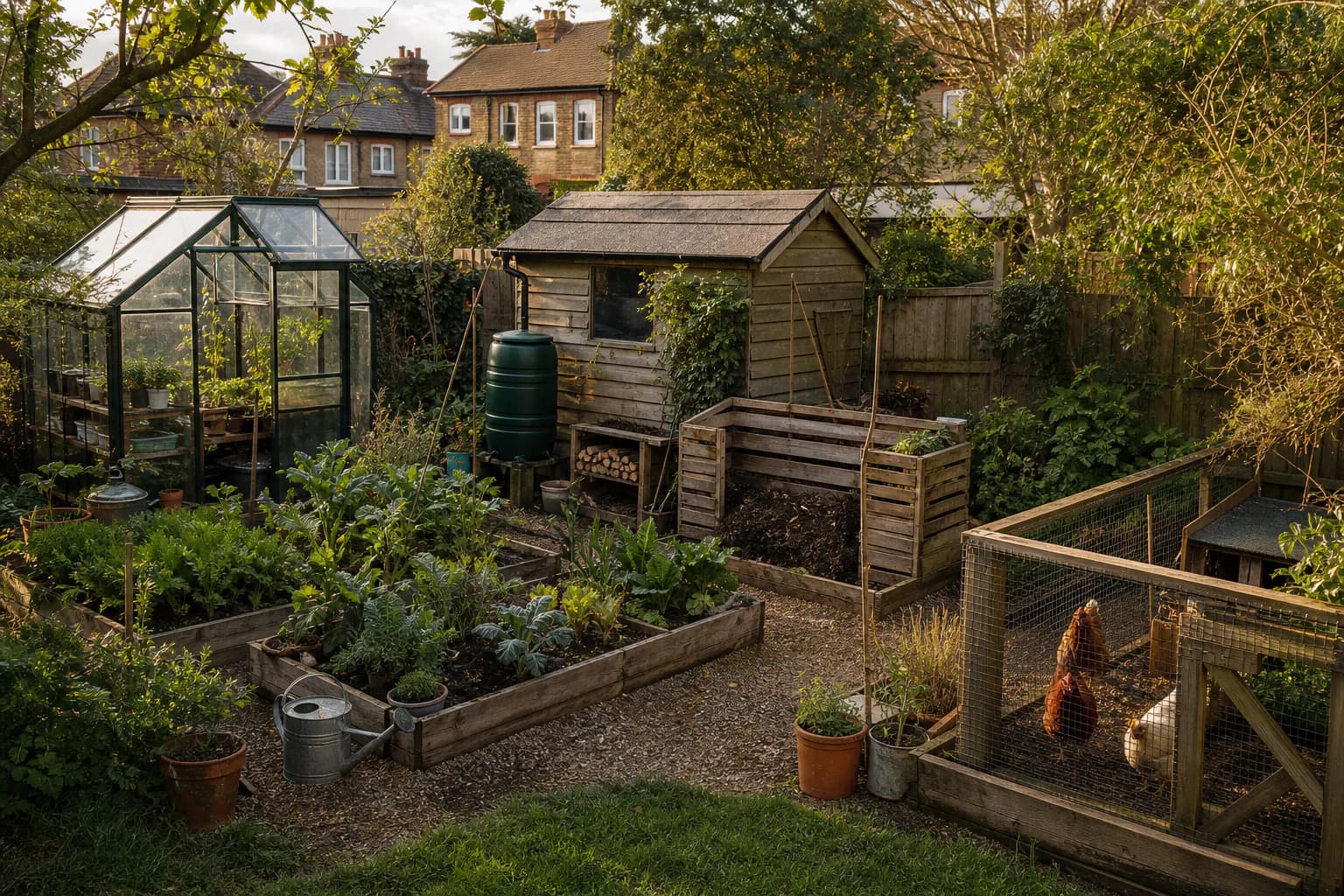
Think in systems, not acreage
Homesteading is often presented as a dramatic move to a field with a barn. In practice, the useful part is much simpler: reducing waste, learning a few dependable skills and making your available space work harder.
A windowsill herb box, a compost caddy and a weekly bread habit can be a perfectly good beginning. Each one turns an everyday purchase or waste stream into something you understand and control.
- Grow one ingredient you use every week.
- Create a simple composting routine that fits your home.
- Preserve a seasonal glut by freezing, drying or pickling.
- Trade surplus with a neighbour before expanding production.
Choose projects that connect
The nicest projects feed one another. Kitchen scraps become compost; compost feeds herbs; herbs improve a batch of soup; saved jars hold next month’s chutney. Connected projects are easier to sustain because each has an obvious purpose.
Avoid buying the full catalogue of equipment on day one. Borrow a tool, test a small batch and learn where the actual friction is. The right purchase becomes obvious after you have done the job a few times.
From household surplus to local venture
If friends start asking to buy your eggs, preserves, seedlings or veg boxes, pause before treating it like an informal favour forever. Good records, clear labelling and an early conversation with your local authority can make the next step much less daunting.
Food & Folk’s long-term role is to help that transition: a professional shopfront, local discovery and practical guidance, without asking a promising producer to build an entire business system alone.