
Future of farming
Sustainable farming ideas worth watching
The interesting work is often less about one miracle technology and more about healthier soil, sharper measurements and better local relationships.
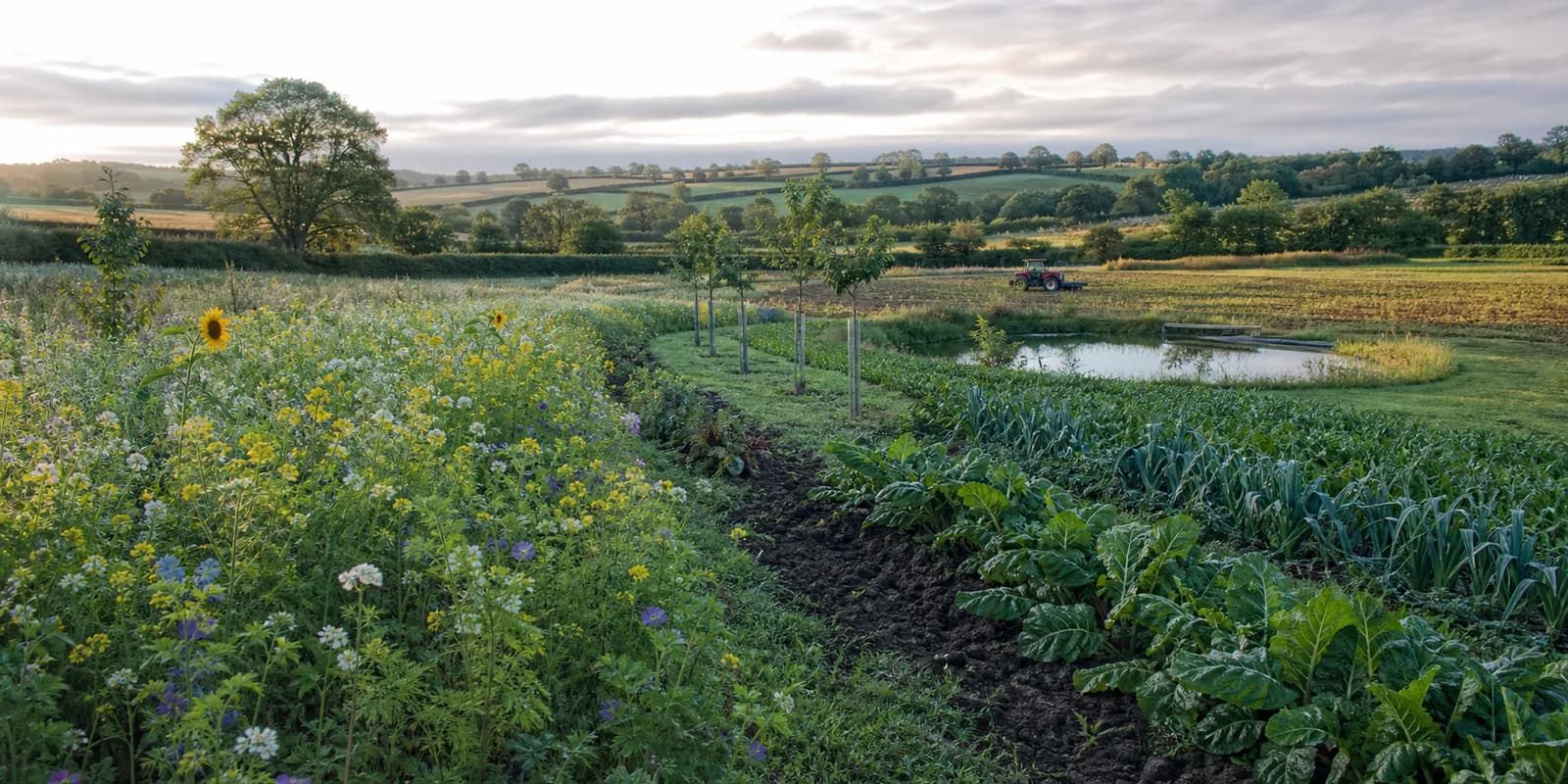
Soil is becoming visible again
Cover crops, reduced disturbance and varied rotations are not new ideas, but better field records and testing are helping farms judge where they genuinely improve resilience. The useful question is not whether a practice is fashionable; it is what changes in that soil, on that farm, over several seasons.
Small growers can apply the same mindset by keeping beds covered, adding organic matter carefully and comparing results rather than changing everything at once.
Measure the inputs that matter
Low-cost moisture sensors, weather data and more targeted application can reduce guesswork around water and nutrients. Technology earns its place when it prevents a journey, catches a problem early or supports a better decision—not merely because it produces a dashboard.
Energy use deserves the same attention. Timers, insulation, efficient pumps and matching production to daylight or demand can be less glamorous than a new machine and much more useful.
- Water where and when the crop needs it.
- Use diverse rotations and habitat to support resilience.
- Find productive uses for unavoidable by-products.
- Build direct demand so good produce is less likely to be wasted.
Local markets are infrastructure too
A resilient food system is not only what happens in the field. It also needs customers who can find seasonal produce, collection models that fit a working week and enough value returning to the producer to fund the next crop.
That is the bit Food & Folk is built around: make regional supply easier to discover, give small vendors professional tools and let local demand encourage more local production.